Qotb Elmarini Farm
 Morocco
Learn more on Qotb Elmarini Farm
Daily life in Qotb Elmarini Farm
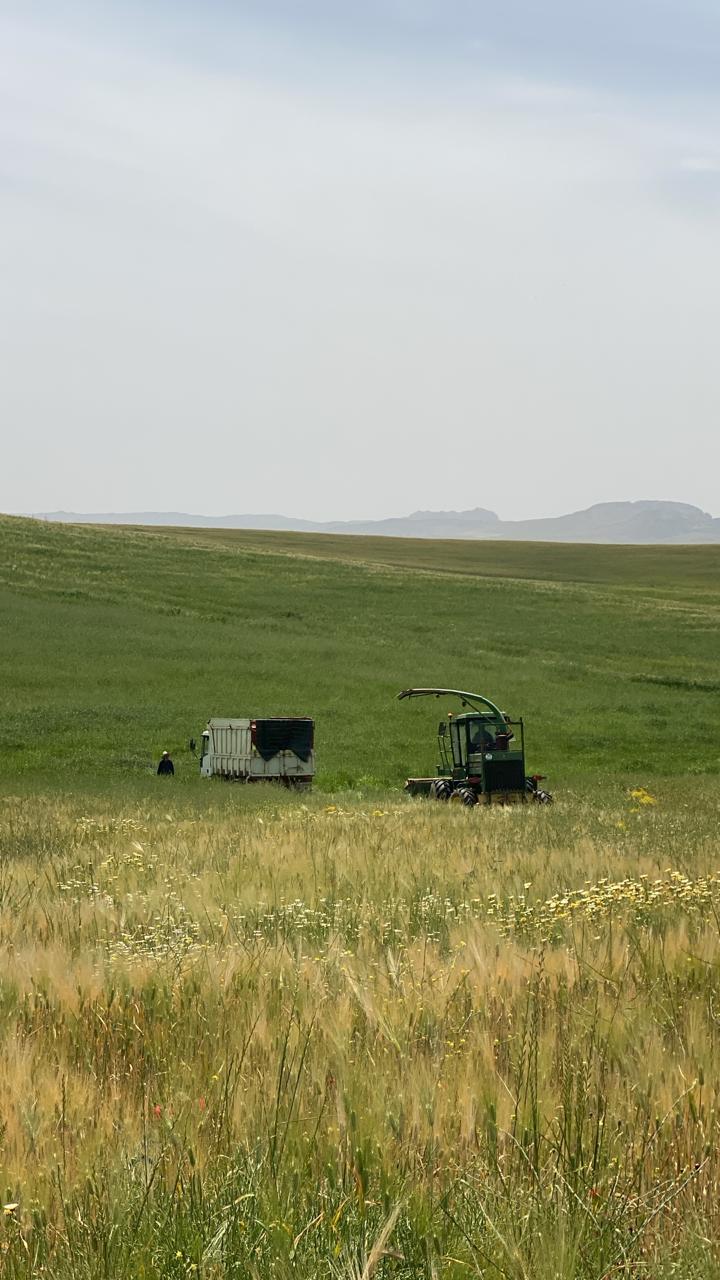
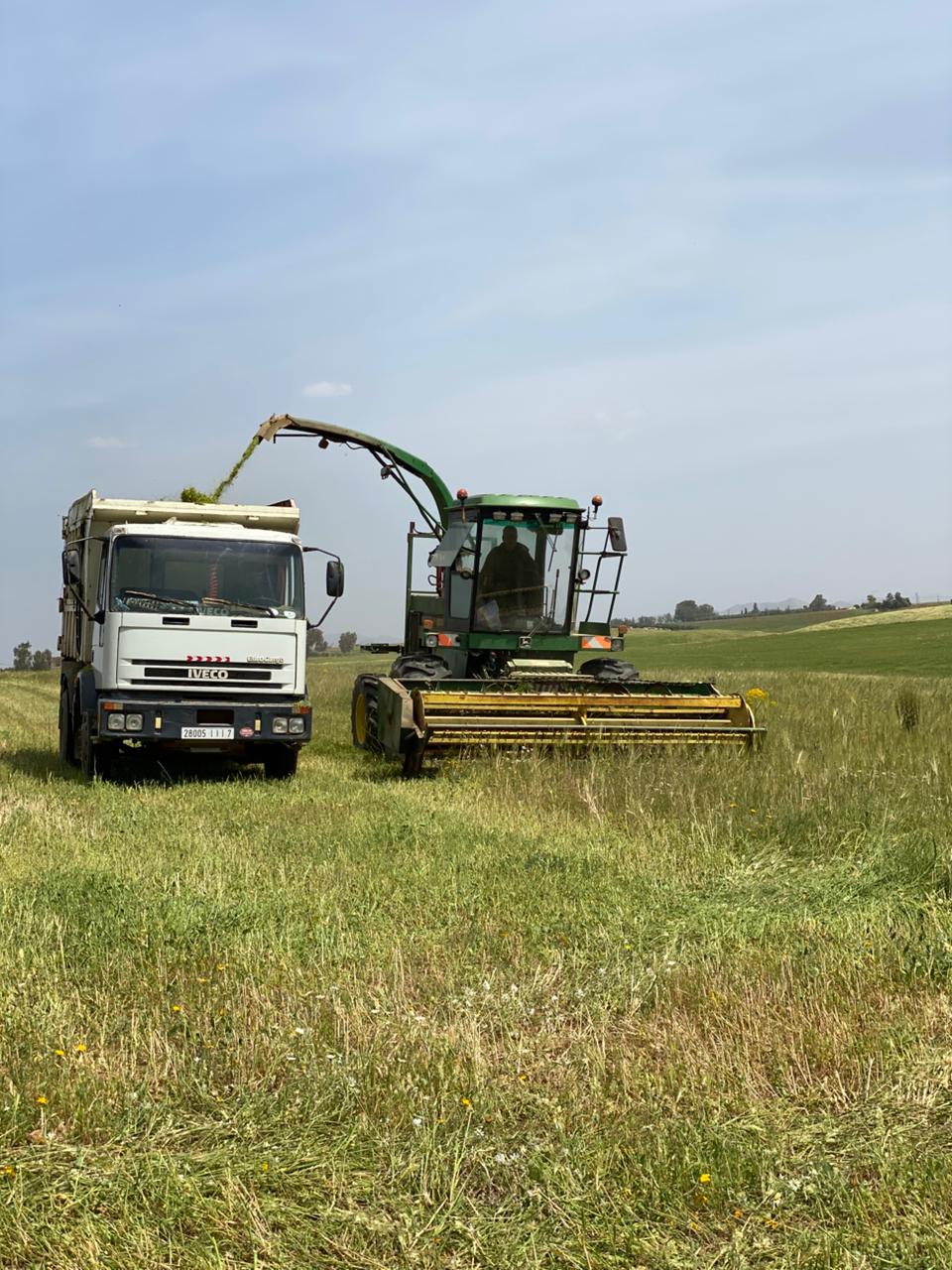
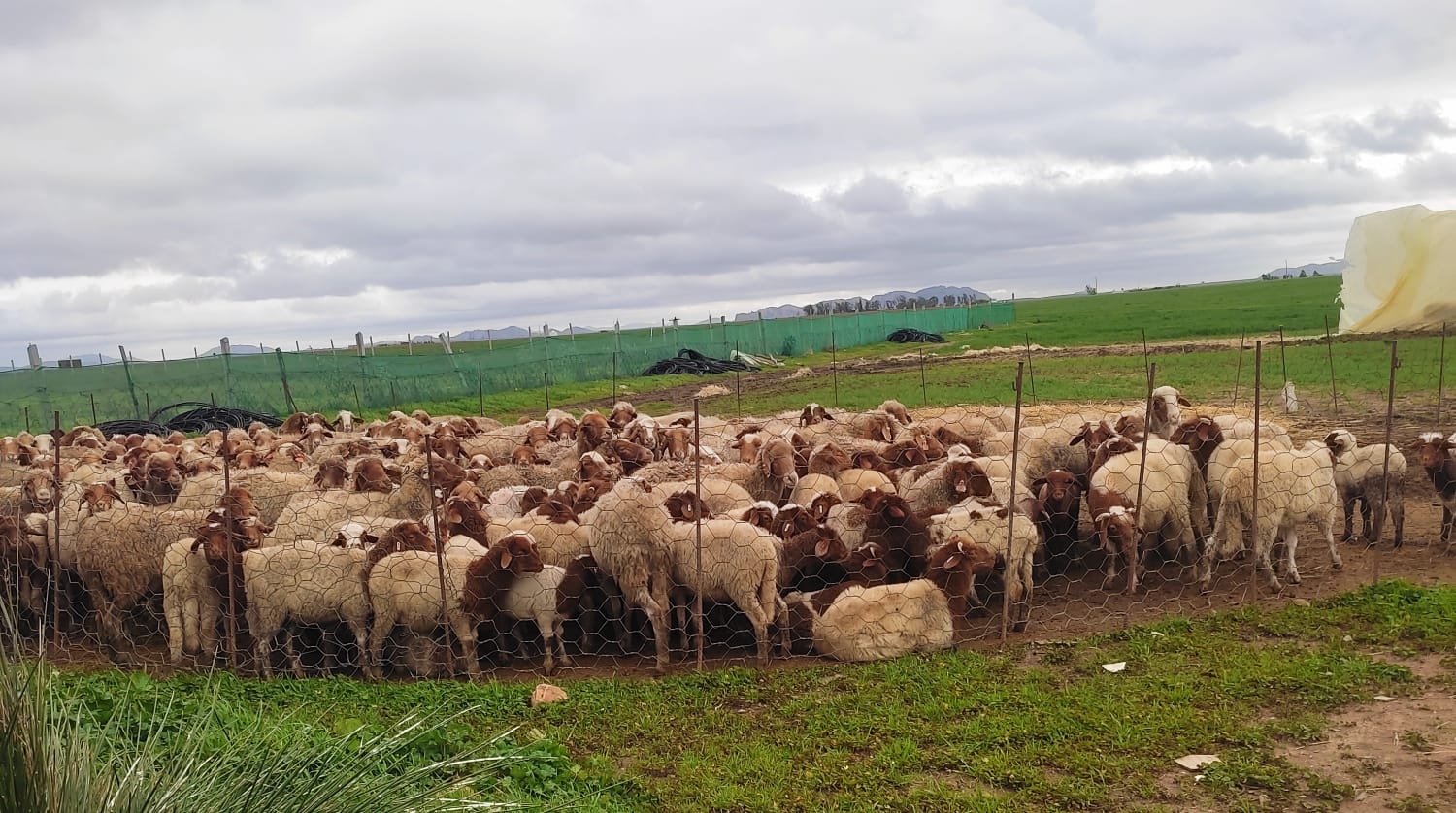
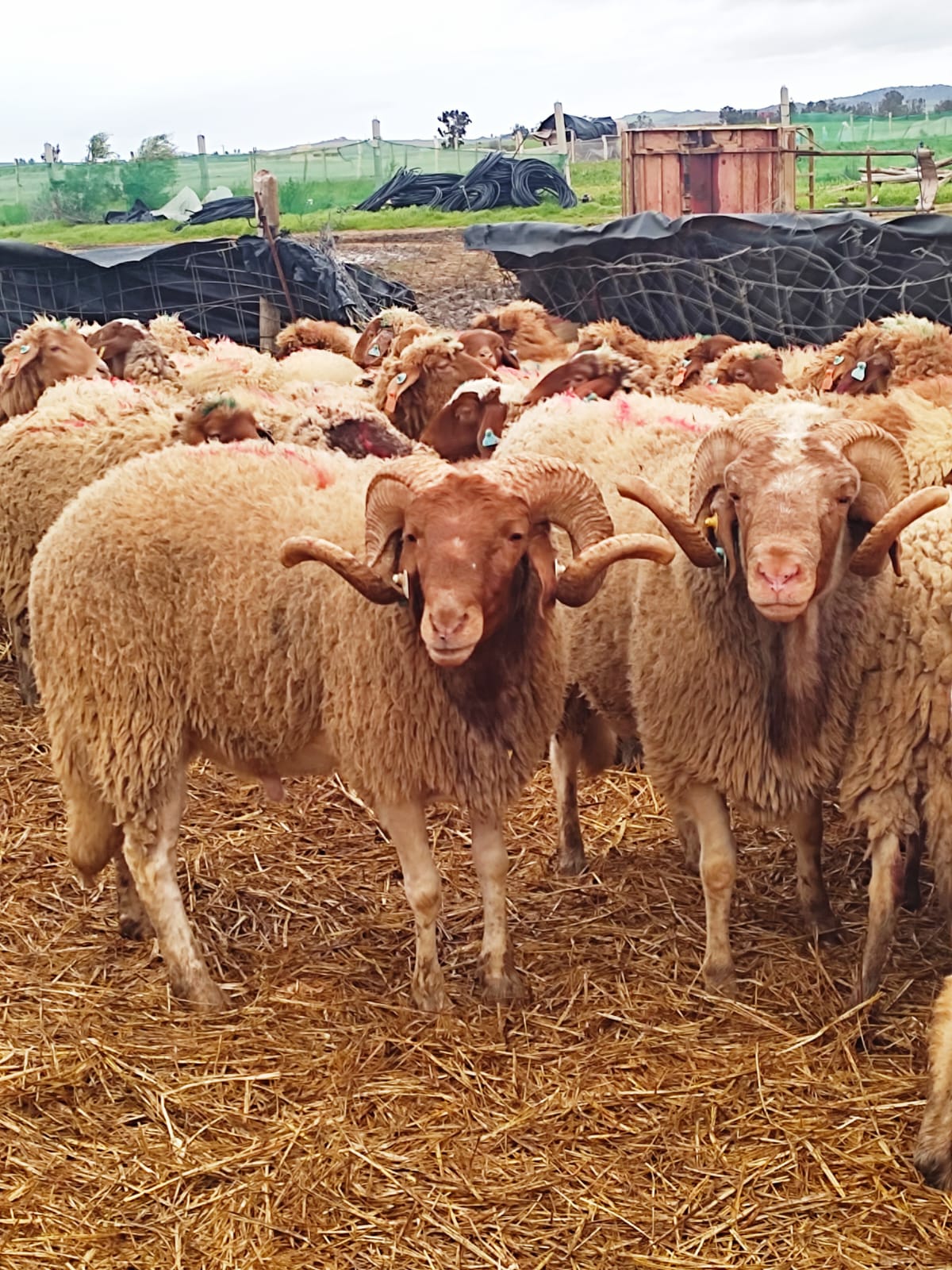
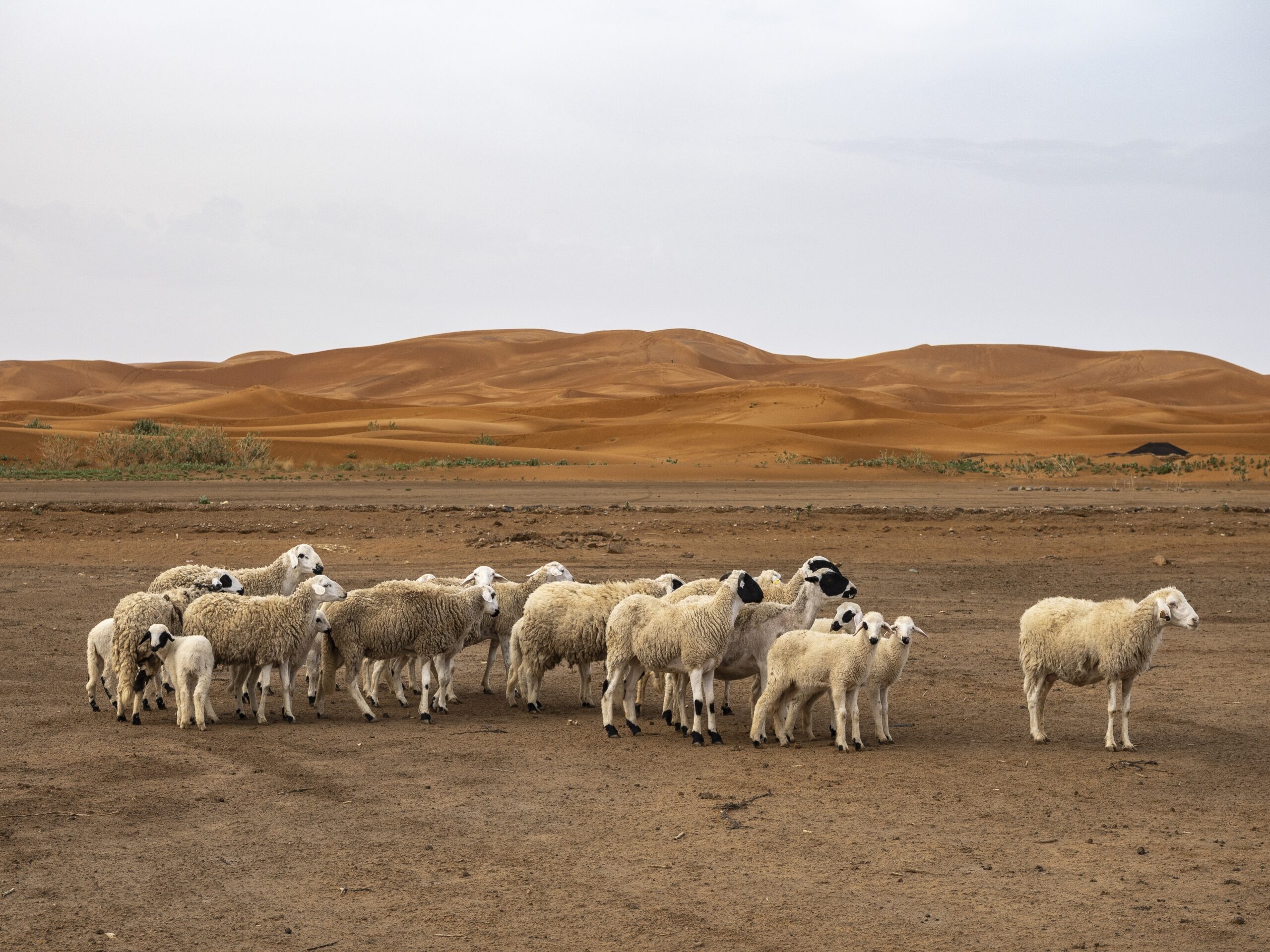
Daily life on this 175-hectare integrated farm revolves around a carefully balanced, circular rhythm of crop cultivation and livestock care. Each morning begins with the management of the livestock subsystems: tending to a dairy herd of 21 adaptable Montbéliarde cows and managing a flock of sheep (comprising 420 ewes, 278 lambs, and 12 rams). Feeding the lactating ewes is a precise daily routine, requiring a mix of 1.5 kg of on-farm oat silage, 0.5 kg of straw, and 0.4 kg of external compound feed, a strategy aimed at maintaining partial feed autonomy. Out in the fields, daily and seasonal labor is split between managing 107 hectares of dual-purpose wheat and triticale, harvesting oat silage for critical feed periods, and monitoring the soil-enriching faba beans. However, daily operations are heavily dictated by the elements. Managing the entirely rain-fed 4 hectares of barley requires constant vigilance, especially under the lingering threat of severe droughts like the one that caused a complete crop failure last season. As the day winds down, the focus shifts to sustainability and future planning: tracking nitrogen fluxes from manure to recycle organic matter back into the soil, recording milk yields, and evaluating energy and labor costs to ensure this integrated, mixed-crop system remains both resilient and profitable.