Ras Sudr Research Station
 Egypt
Egypt
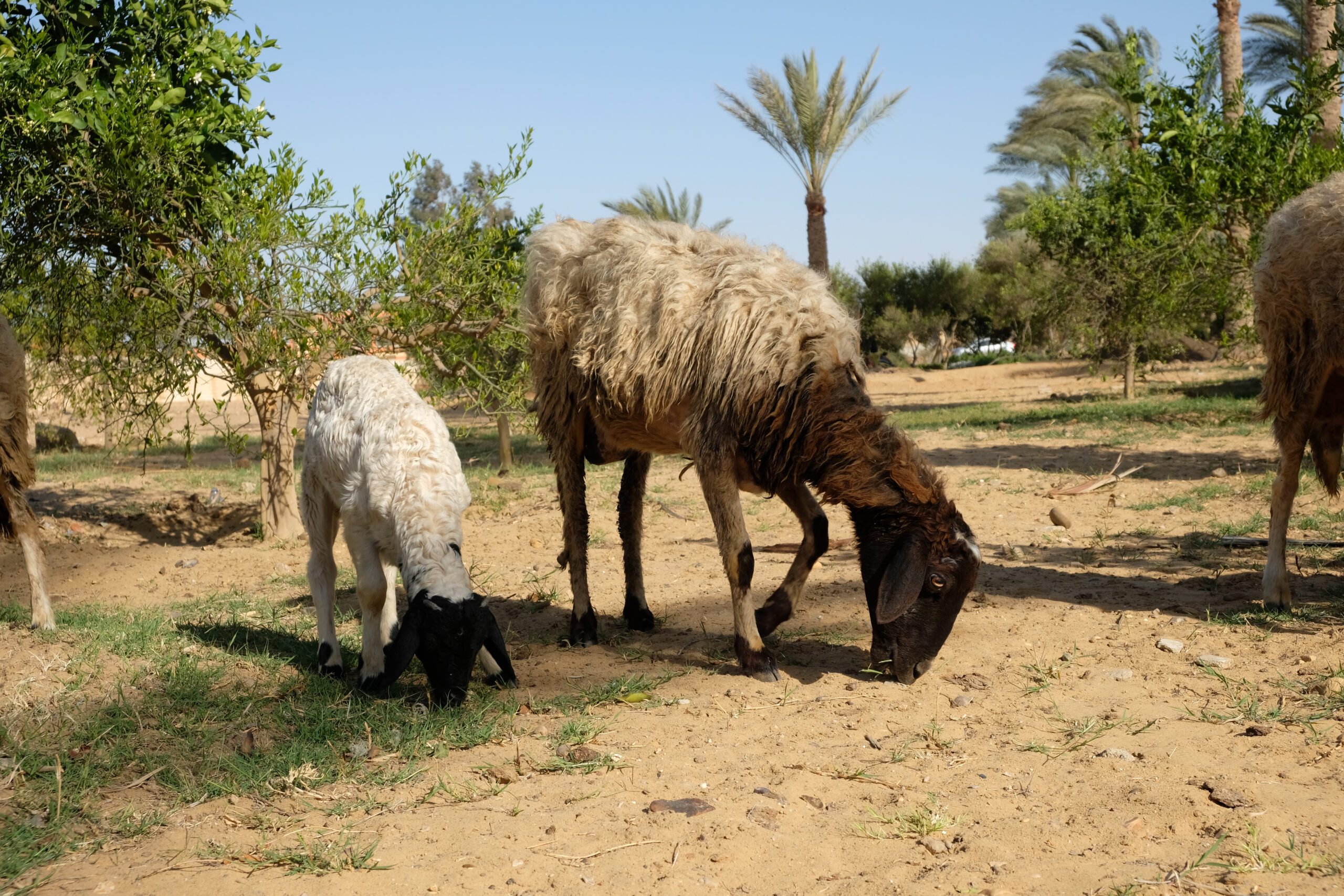
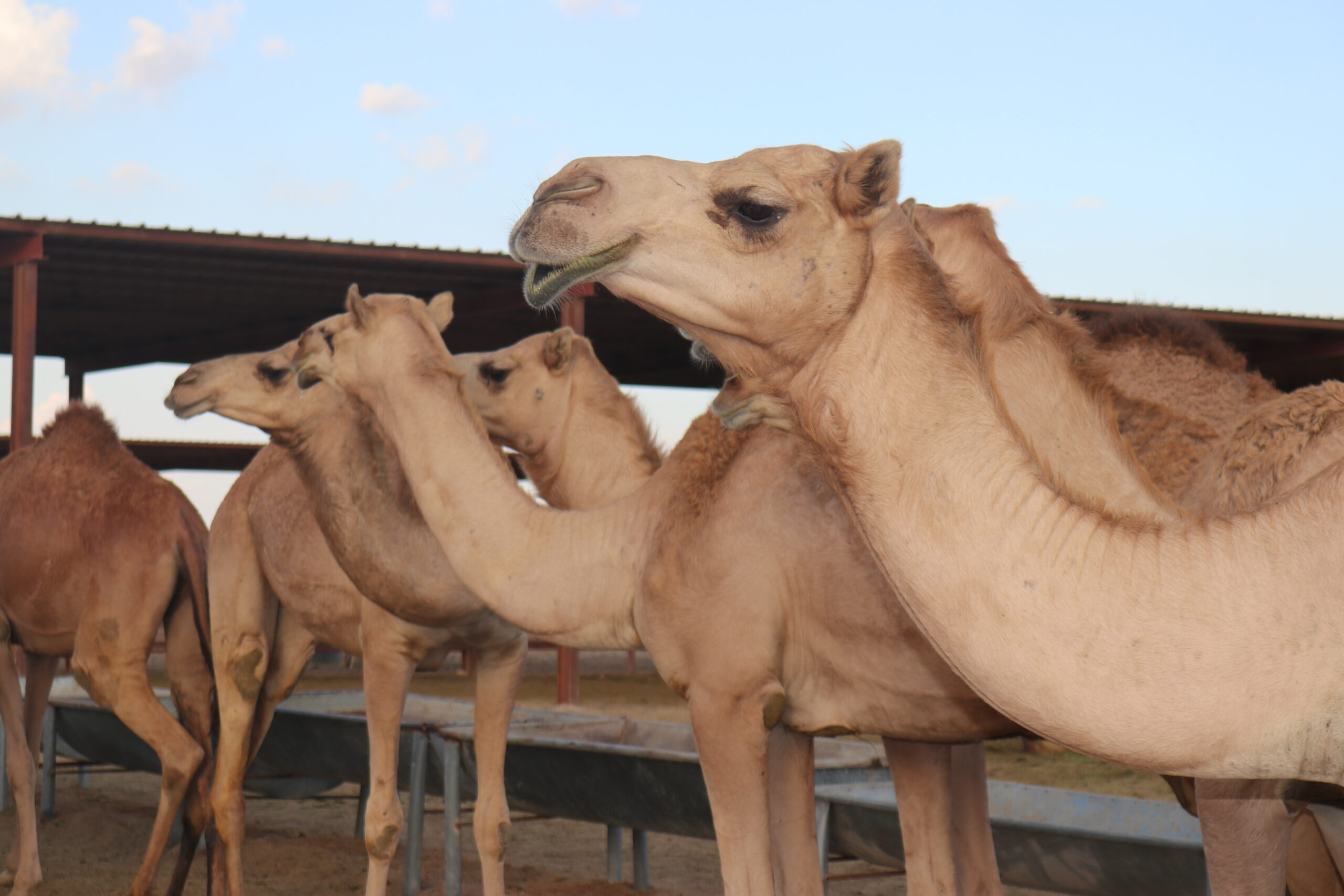
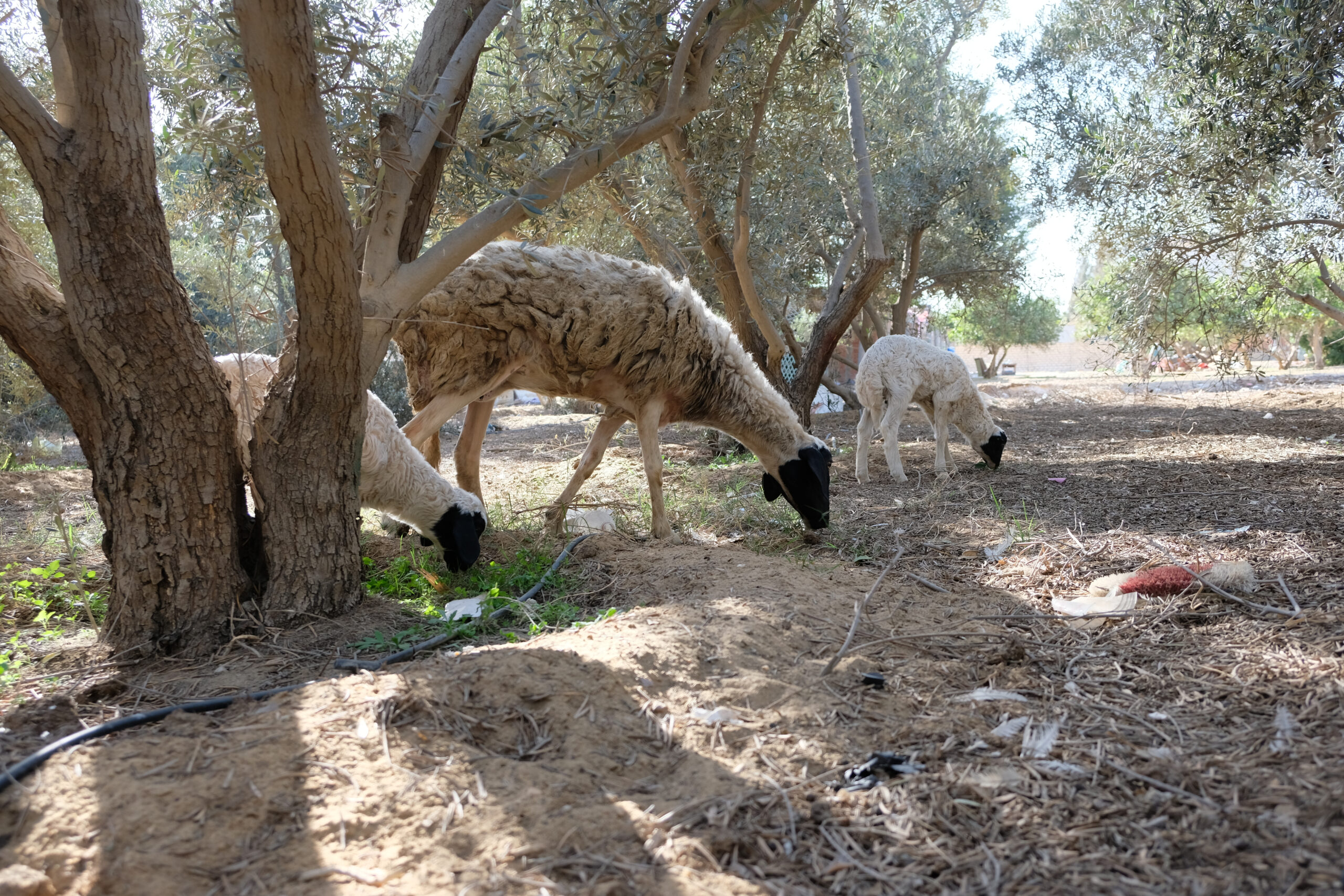
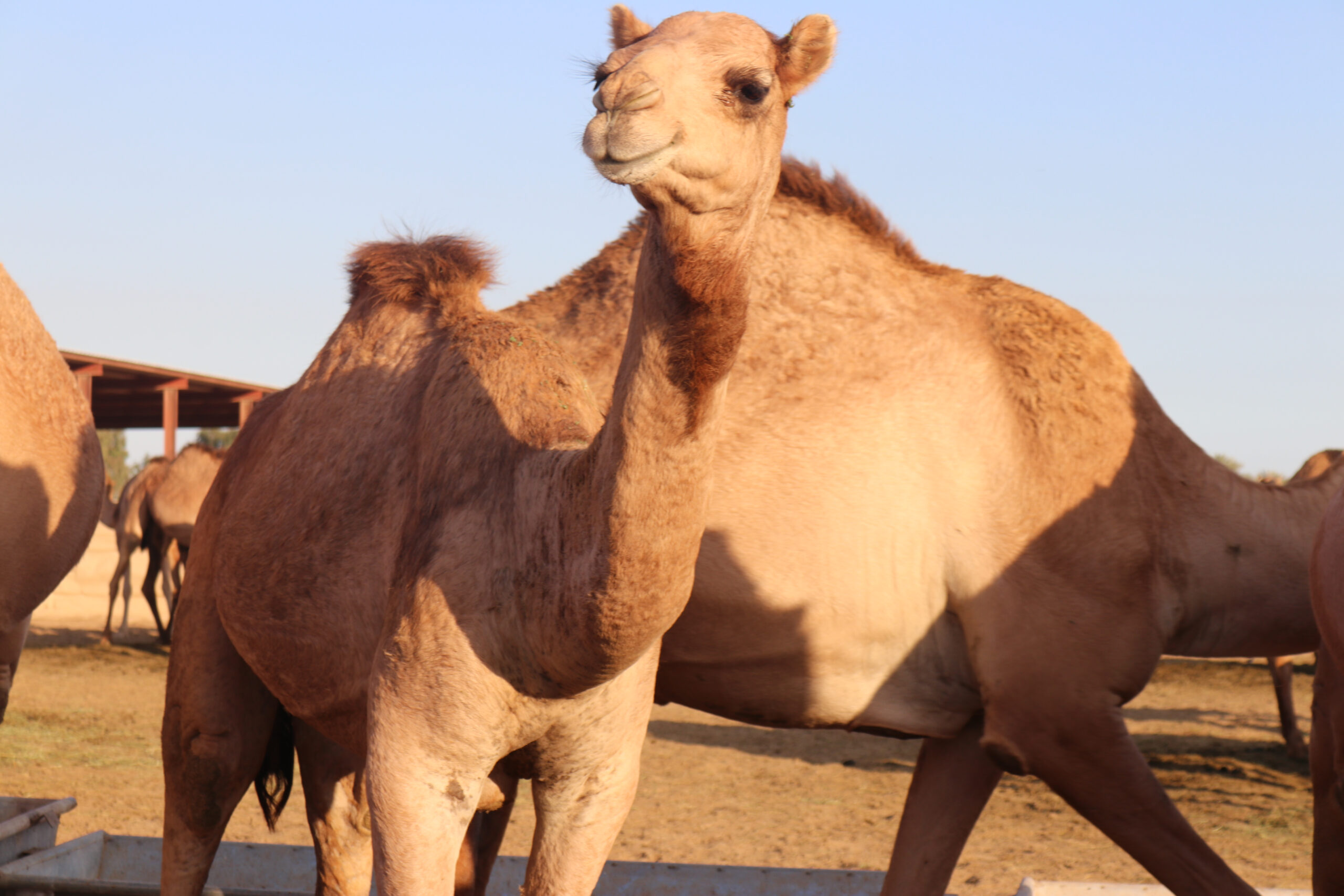
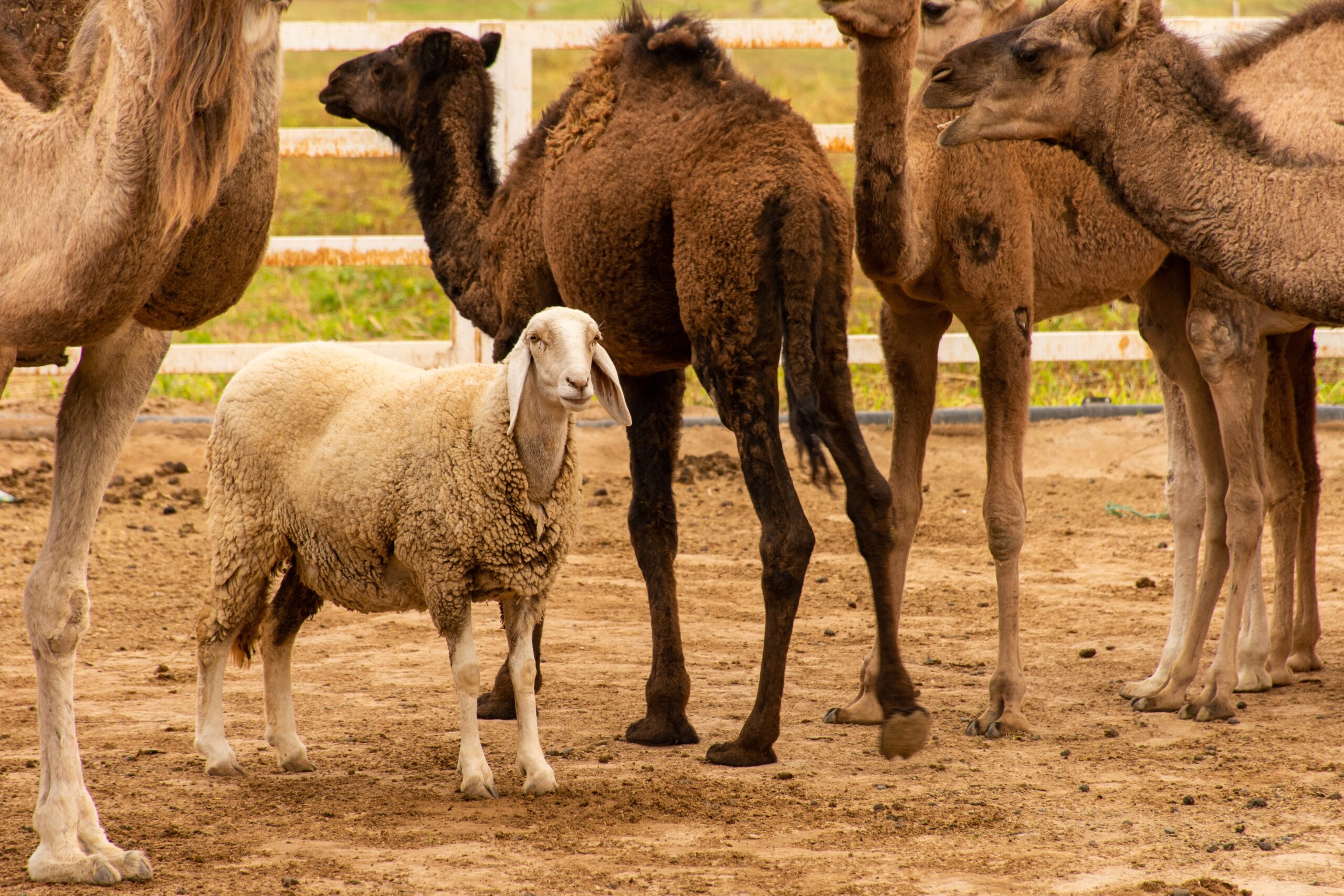
The Ras Sudr pilot farm, led by Dr. Hassan Goda, South Sinai, part of the regional research station, integrates sheep (Barki and Asaf breeds) and Rashidi camels. The specific SUREPASTOR subgroup includes 20 Barki ewes, one ram, four yearlings, and 17 lambs, while the station herd comprises 55 ewes, 14 rams, and additional juveniles. The camel population exceeds 50 head and supports both breeding and milk production. Cropping covers 15 feddans of salt-tolerant forages, including barley, triticale, millet, and sorghum, irrigated with saline groundwater (approximately 7,000–8,000 ppm). Desalination is practiced. Feeding strategies are based on alfalfa and concentrates for sheep, and straw supplemented with concentrates for camels. Products include camel milk, lamb meat, honey, and olive oil, which are sold locally or online. Manure is composted on-site.
Located in an arid zone, the farm manages 26 feddans (~10.9 ha) of arable land using drip irrigation supplied by groundwater with a salinity of 7,000–8,000 ppm. Cropping systems focus on salt-tolerant forage species such as barley, triticale, pearl millet, and sorghum. The agronomic objective is to sustain a diverse ruminant population, including Barki sheep and Rashidi camels, through mixed cropping and integrated fodder planning. Water quality necessitates desalination or the use of highly salt-tolerant crops, which narrows crop choices and limits yields. Soil structure and fertility are not specified but are assumed to be constrained by salinity. Fodder crops are produced primarily for internal use, and camel manure is reused to enhance soil organic matter.
Learn more on Ras Sudr Research Station
Location:Ras Sudr, Egypt
Farm Type:Integrated crop–livestock research farm
Daily life in Ras Sudr Research Station
Daily life at the Ras Sudr pilot farm is structured around managing livestock and crops under arid and saline conditions. Mornings focus on feeding Barki and Asaf sheep and Rashidi camels, as well as milking camels and monitoring animal health. During the day, staff oversee drip irrigation, operate desalination systems, and maintain salt-tolerant forage crops such as barley, triticale, millet, and sorghum. Manure is composted and reused in the fields, while farm products like camel milk, lamb meat, honey, and olive oil are prepared for local and online markets.